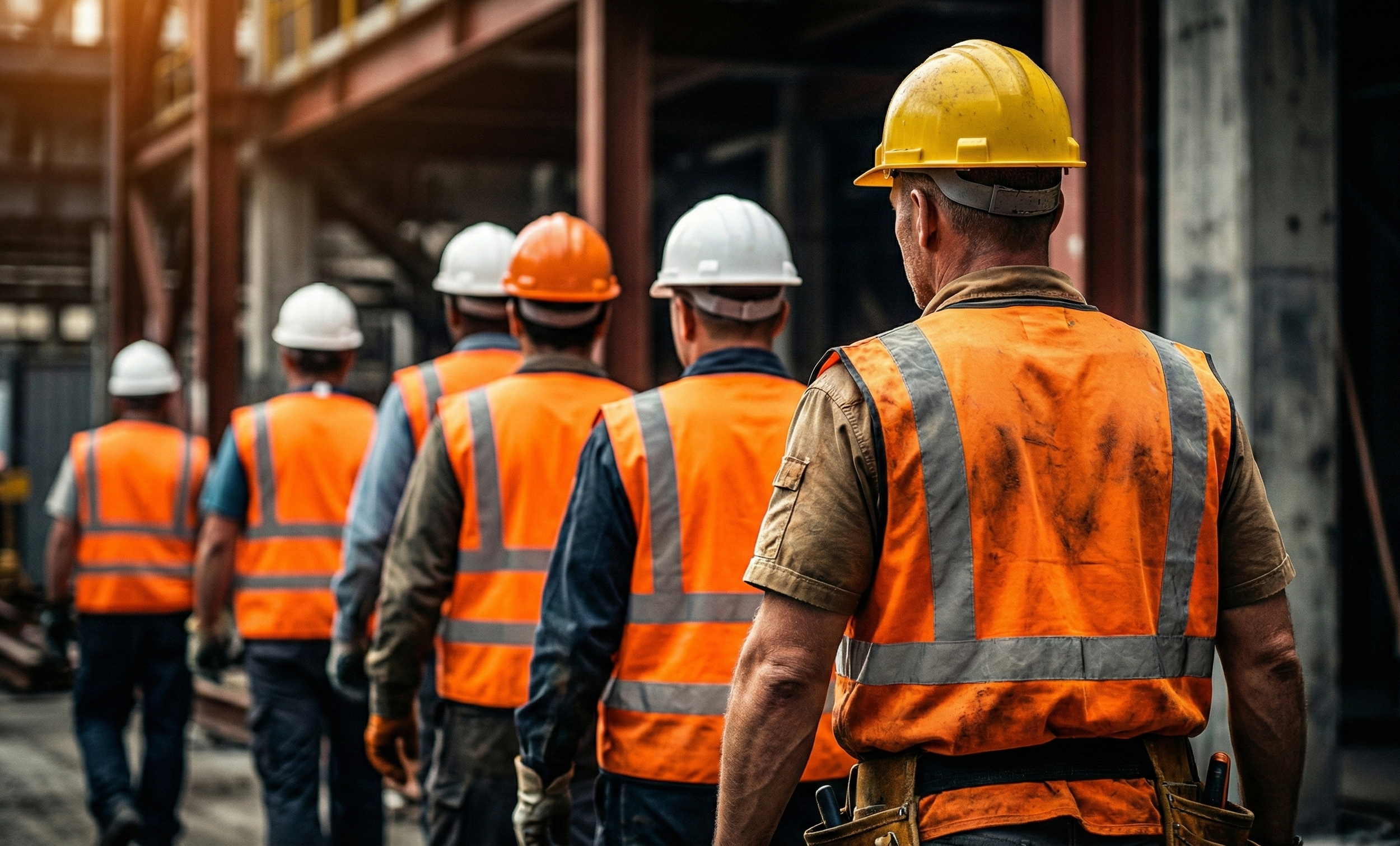
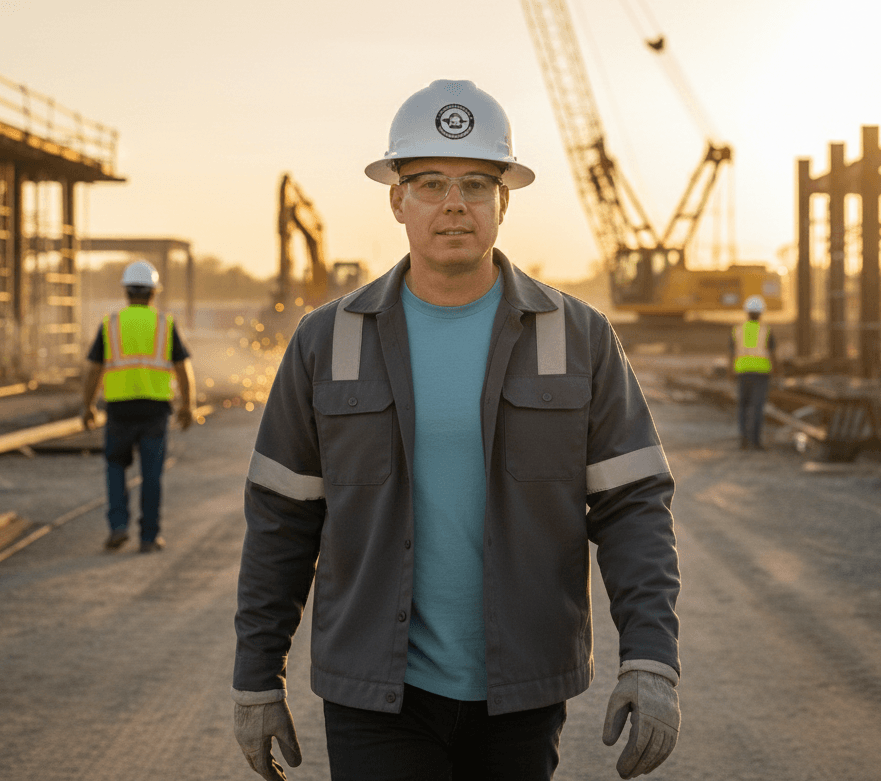
Construction worker wearing a hard hat and safety glasses walking on a jobsite at sunset.

Protecting the Human Inside the Hard Hat.

Suicide is the #1 cause of death in Construction.

Behind every hard hat is a human engine carrying stress, pressure, and an invisible load that most safety programs never touch. As a suicide-attempt survivor and construction professional, Scott Evans helps organizations reduce turnover, mitigate risk, strengthen teams, and build safer workplace cultures through real mental-health conversations and practical tools that workers will use and actually trust.

Survivor-Led. Jobsite-Real. Human-First.

Impact & Highlights (2026)

  • ABC Safety Champions’ Conference, Speaker

  • CURT National Safety, Subject Matter Expert, Panelist

    • click the logo below for link to video

  • NCCER / AFSP - Talk Saves Lives, Consultant & Subject Matter Expert, Speaker

    • click the logo below for link to video

  • CONEXPO-CON/AGG, Contributor

    • click the logo below for link to article

  • AGC National Resource Catalog, Contributor & Speaker’s Guide

  • NCCER / Builder Table’s Podcast, Subject Matter Expert, Guest

  • CNR - Construction News and Review / Contributor

Logo of ABC Associated Builders and Contractors Central Florida with an American flag design element.

WHY CURRENT SAFETY FALLS FLAT

  • The focus has become more about compliance and not connection.

    • Corporate speaks in FM - apps, posters, HR videos.

    • The field listens in AM - trust, peer to peer, community

      • The message isn’t wrong, it’s just disconnected.

  • I ‘Go First’ to translate the message to help drive connection and shift the culture back to the human engine.

Construction worker in yellow hard hat sitting with head in hands, representing emotional load on the jobsite.
Construction worker slumped over with depression and exhaustion.
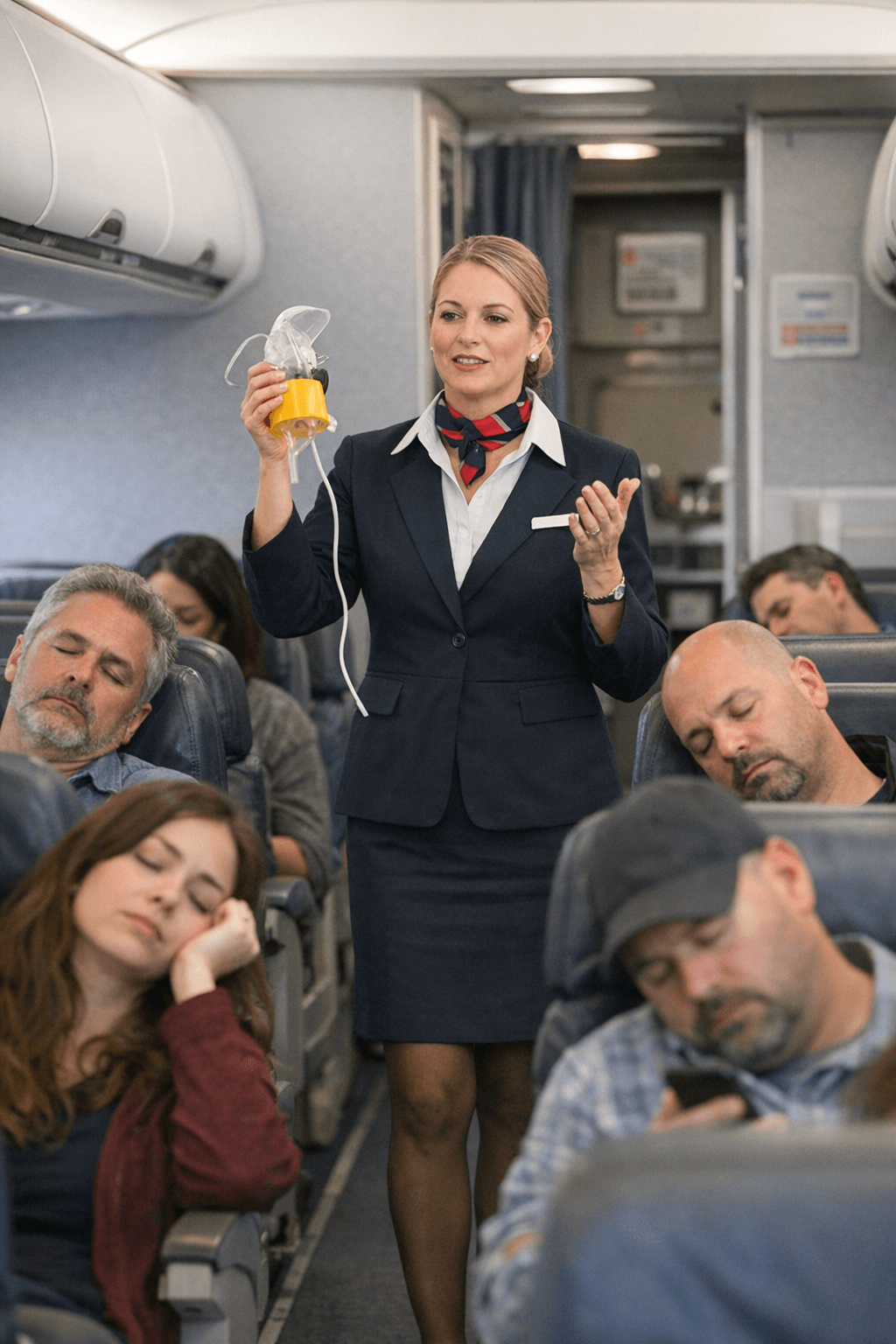
Airline safety demonstration used as a metaphor for mental health and putting your oxygen mask on first.

The Flight Attendant Problem:

  • Do you pay attention to the Flight Attendant presentation?

    • Why?

  • Unfortunately, that’s what most safety programs have become:

    • predictable, stale, lacking connection, and easy to tune-out.

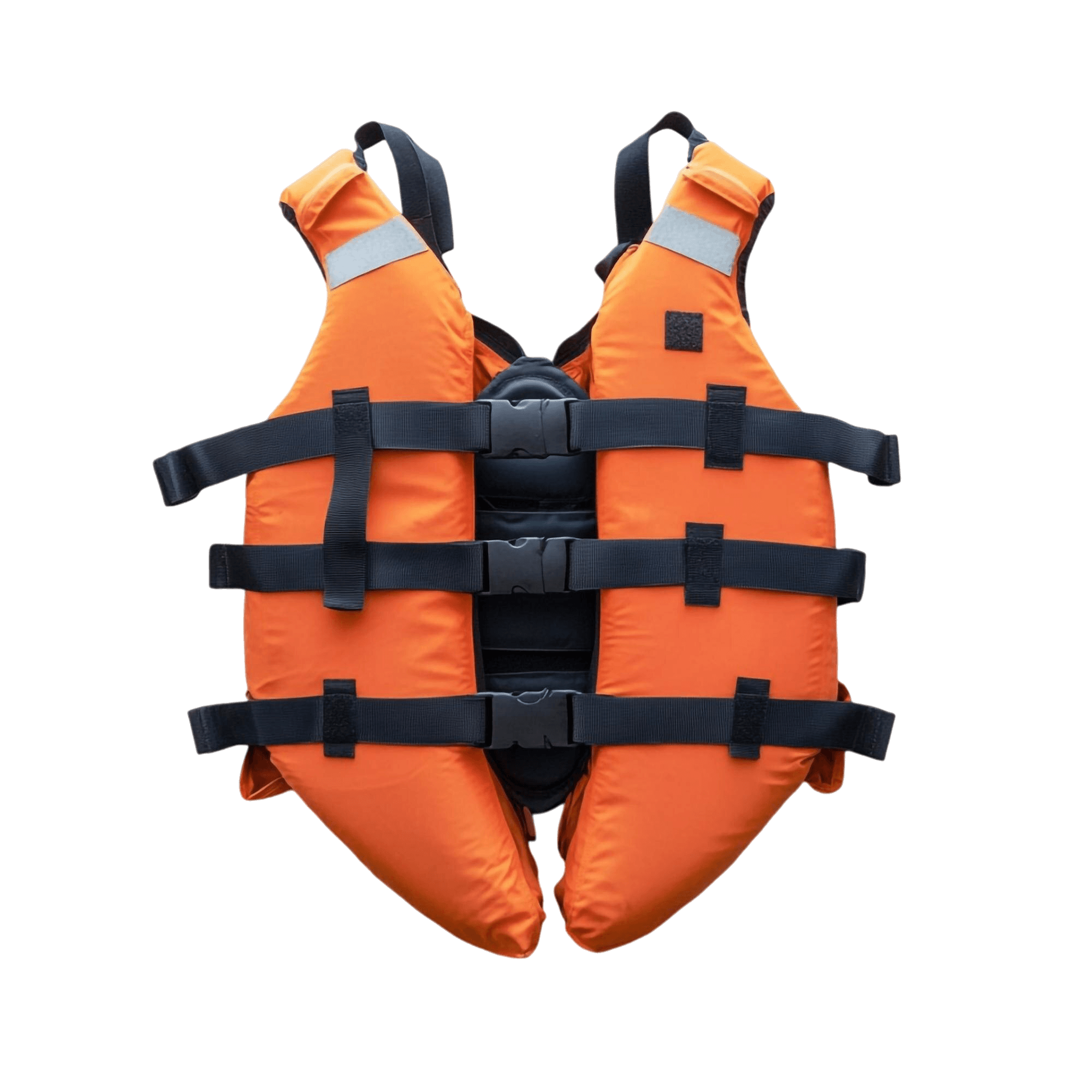
Life jacket symbol representing early intervention and mental health support.

The Life Jacket Reality:

  • Don’t wait until someone is drowning to offer help.

    • The best gear in the world is useless if the culture doesn’t support using it.

  • My work is the Life Jacket that prevents going overboard, so you never reach that crisis.

SIGNATURE FRAMEWORKS

  • INVISIBLE PPE™

    The human‑first protection workers need before crisis hits.
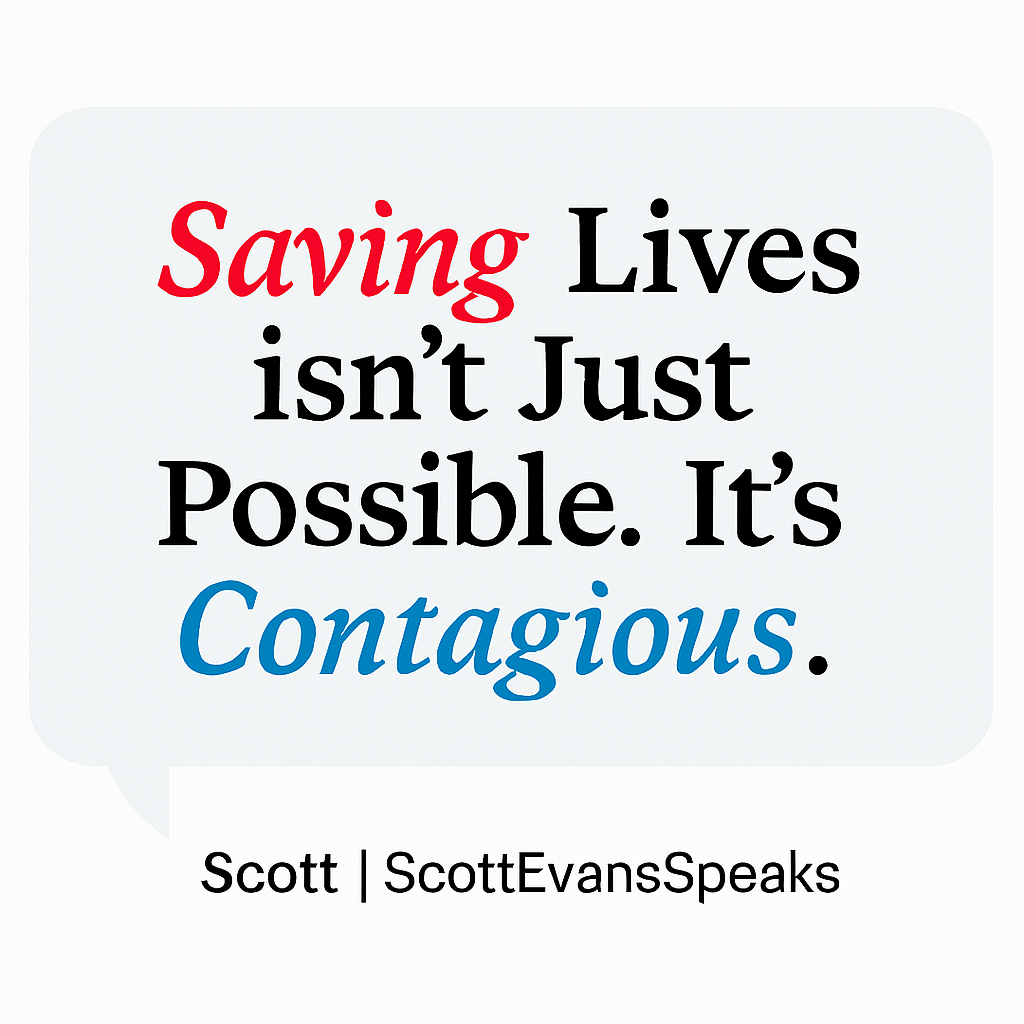
    Quote saying, "Saving Lives isn't Just Possible. It's Contagious," attributed to Scott Evans.
  • WAY UP, NOT OUT™

    A survivor‑led message of hope and direction.
    Exit sign symbolizing crisis escape and the importance of early intervention.
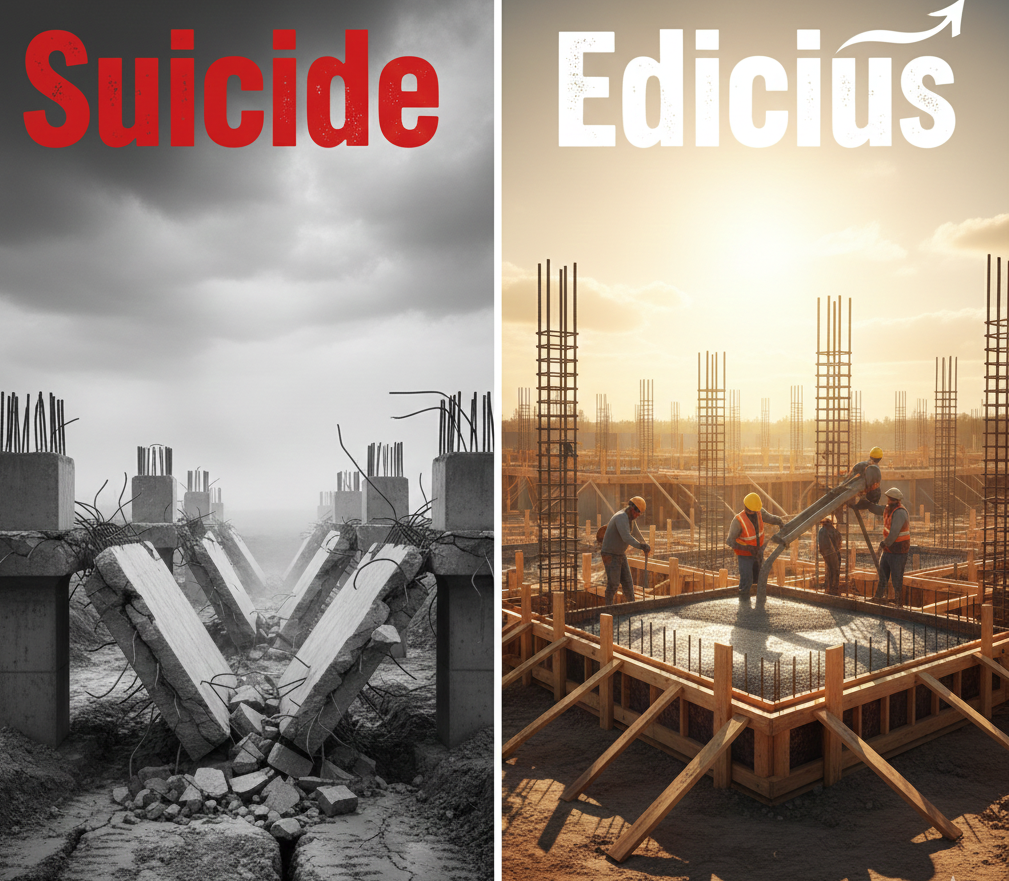
  • EDICIUS™

    Suicide spelled backwards:

    • Suicide is the collapse.

    • Edicius is the rebuild.

    Comparison of collapse versus rebuild, illustrating Internal Falls and recovery.
Construction workers in orange safety vests and yellow helmets smiling and talking outdoors, with a blurred background of buildings and trees.
Three construction workers wearing hard hats and safety vests on a rooftop at sunset.

WHO I HELP

  • Construction Executives

  • Safety Leaders

  • Foremen & Superintendents

  • Tradespeople

  • Apprentices

  • Toolbox Talks / Jobsite Visits

  • HR & EHS Teams

  • Risk Management Professionals

  • Construction & Safety Associations

  • Suicide Prevention Organizations

WHAT I DELIVER

I help organizations strengthen their culture, reduce risk, and protect the human engine behind their workforce through practical, jobsite‑real tools and survivor‑led connection.

1) Culture & Retention Outcomes

  • Reduce Turnover & Strengthen Retention

    • Workers stay when they feel seen, supported, and connected.

  • Destination Employer Positioning

    • Cultures that support workers attract better talent, and keep it longer.

2) Safety & Risk Outcomes

  • Lower EMR Scores & Mitigate Risk

    • Internal Falls™ lead to external incidents.

    • Addressing the human engine reduces liability and improves safety outcomes.

  • OSHA-Aligned Mental Health Integration

    • Built into toolbox talks, jobsite visits, and existing safety initiatives, not bolted on as something separate.

3) Leadership & Team Alignment

  • Leadership Alignment & Culture Shift

    • Executives, supers, and foremen learn how to spot ‘Behavioral Fraying’ early.

  • Peer-to-Peer Help-Offering Models — Workers trust workers. I build systems that make help-offering normal, not rare.

4) Tools & Programs

  • The 5 Life-Saving Tools™

    • Bilingual, jobsite-real tools workers can use immediately, on the jobsite, in the truck, or at home.

  • The Outcome That Matters Most - Safer, More Connected Workplaces

    • Cultures where every worker has a Way Up, Not Out™.

ProRailsUSA, NAWIC, ABC of Central Florida event group photo highlighting community and trust-building after panel discussion.
Scott Evans shaking hands with construction worker on jobiite
Panel discussion with industry leaders during construction safety event.
A smiling man in a white construction helmet and yellow safety vest standing in front of a building under construction.

WHY SCOTT?

I’m not a clinician. I’m a survivor, a construction professional, and someone who has lived the collapse from the inside. My message is jobsite‑real, peer‑to‑peer, and built for the culture of construction. Leaders trust me because I speak the language of the field. Workers trust me because I go first.

I’ve had the honor of speaking at the ABC Safety Champions Conference, the CURT National Safety Panel, NCCER, AFSP, and multiple industry events across the country. Every session is survivor‑led, bilingual‑ready, and built around one mission: helping workers choose a Way Up, Not Out™.

Scott Evans wearing suit, tie, hard hat and safety vest, smiling and pointing during jobsite visit.
Scott Evans being interviewed at public event about construction suicide, mental health at the ABC of Central Florida Robe Walk.

Survivor‑led. Jobsite‑real. Bilingual Tools. Peer‑to‑peer. Human-First.

Meeting you where you are, 24/7.

Providing Practical Steps You can Use on Your Jobsite Today.

Construction workers are facing a silent crisis. Long hours, production pressure, transient crews, and the emotional load of life outside the jobsite all collide to create what I call Internal Falls™ — the collapse that happens inside a worker long before an incident ever shows up on a safety report. Traditional safety programs focus on compliance, but workers need connection. They need language that makes sense in the field, not just in the boardroom.

My work bridges that gap. I translate mental health into jobsite‑real terms that foremen, supers, and tradespeople immediately understand. Concepts like Invisible Payload™, Behavioral Fraying™, and Edicius™ give workers a way to talk about what they’re carrying without feeling clinical, judged, or out of place. These frameworks help leaders identify early warning signs, build peer‑to‑peer support, and create a culture where help‑offering becomes the norm.

Organizations bring me in because the cost of doing nothing is too high. Suicide devastates families, fractures teams, increases turnover, and creates risk far beyond the human loss. When workers feel supported, they stay longer, perform better, and contribute to a safer, more connected jobsite. My sessions are designed to strengthen culture, reduce risk, and give leaders and workers practical tools they can use immediately — on the jobsite, in the truck, or at home.