


The Business Case for Suicide Prevention in the Trades
“Prevention isn’t Charity. It’s Smart Business.”
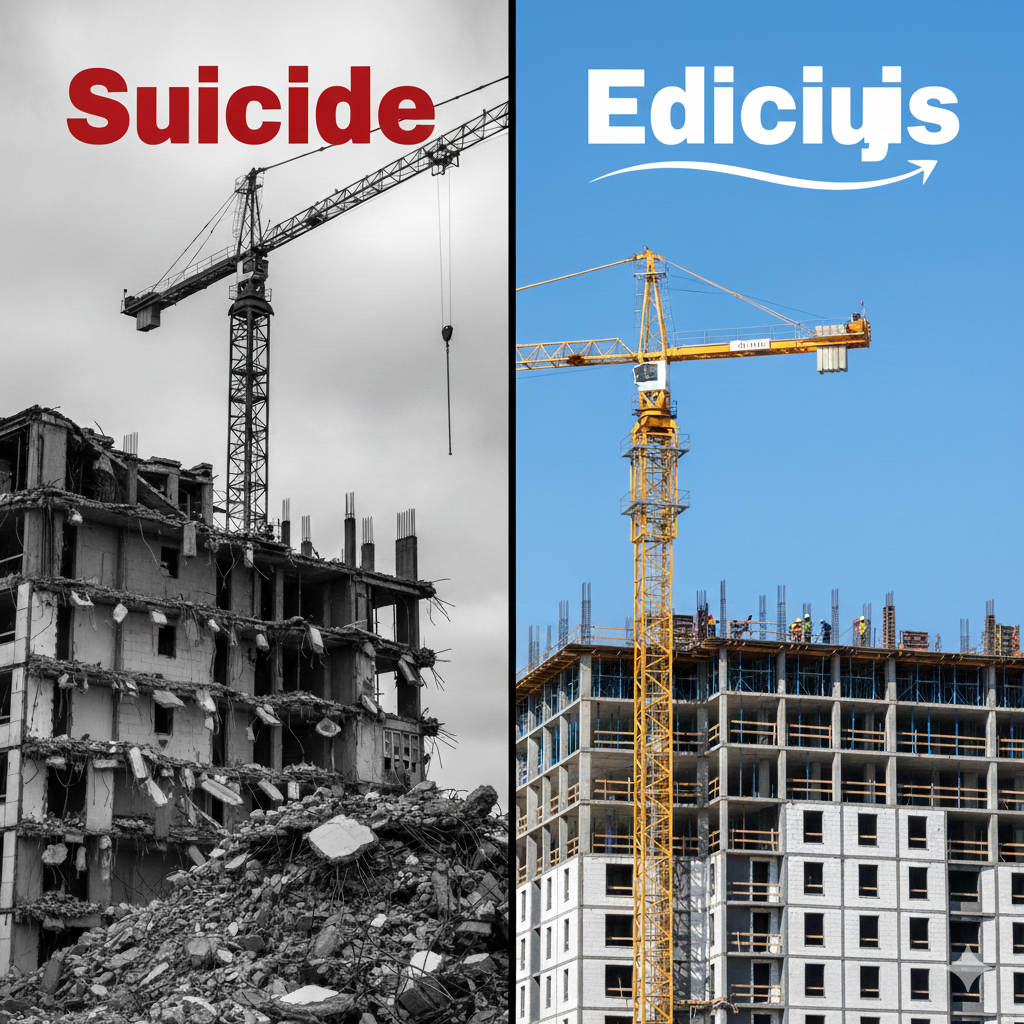
🛡️ Reversing Suicide in Construction
$1–$3M protected for every worker retained
Your people are your most valuable investment — and the most expensive to lose.
A single suicide triggers massive financial fallout:
• turnover and replacement costs
• lost productivity
• investigations and delays - RCA’s
• morale collapse and liability exposure
The result: lower turnover, stronger morale, fewer claims — and a reputation as a Destination Employer.
$1.2–$3M average cost per suicide
(lost productivity, recruiting, and training)
— Travelers Insurance, 2025
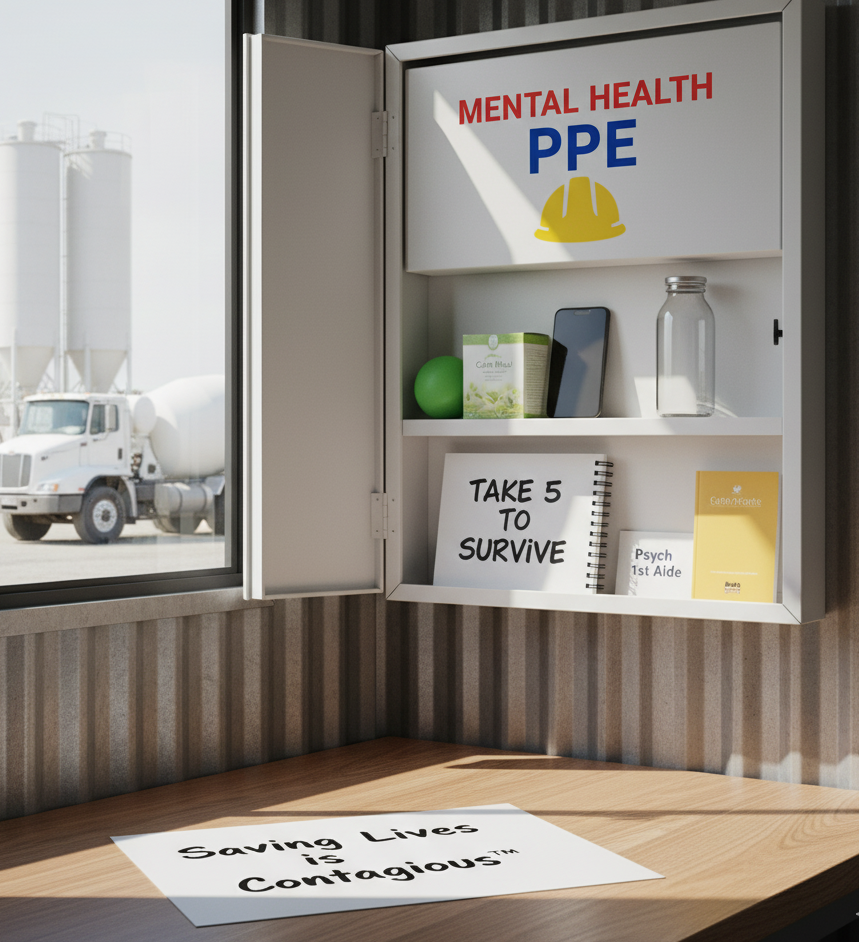
🛡️ OSHA COMPLIANCE & RISK REDUCTION
General Duty Clause
Taking proactive measures to protect total worker health is a core OSHA expectation — and a documented compliance advantage.
Qualifies as OSHA Safety‑Training Hours
Your session counts toward required training hours and strengthens your compliance position.
Reduces Audit Risk and Fines
Documented training lowers exposure during inspections and demonstrates good‑faith efforts under OSHA standards.
OSHA confirms:
Training hours count and reduce audit risk when properly documented.
— OSHA

🛡️DIRECT INSURANCE ROI
Premium Reductions • Insurance Credits
Your session includes the documentation your carrier requires — no extra work on your end.
Many states offer 5–15% Workers’ Comp premium reductions for verified mental‑health and suicide‑prevention training.
The result: immediate, measurable savings back into your operating budget.
5–15% Workers’ Comp premium credits
for mental‑health/suicide‑prevention training
— NCCI, 2025

🛡️COMPLIANCE • SAVINGS • CULTURE
Prevention Does Pay!
Addressing it isn’t charity. It’s smart business.
Suicide is the #2 cause of death in construction, higher than falls.
Crew Trust, Engagement & Retention
When workers feel seen, supported, and valued, everything changes:
• higher engagement - stronger loyalty - lower turnover - trust
The Result:
you become a Destination Employer — the company people want to work for and stay with.
Remember - “They don’t care how much you know, until they know how much you care.” - Scott
The Reality You Can’t Ignore
56 suicides per 100,000 male construction workers / 4× the national average
— CDC, 2023
~6,000 construction suicides per year / 18% of all U.S. suicides
— CPWR, 2025